HIIT, or High-Intensity Interval Training, is a type of workout that alternates short bursts of intense activity with periods of rest or low-intensity exercise. This approach is designed to maximize calorie burn, improve cardiovascular fitness, and boost metabolism in a short amount of time. The intense intervals typically range from 20 seconds to a few minutes, pushing you to 85-100% of your maximum heart rate, followed by recovery periods that allow your body to prepare for the next high-intensity bout.
For example, a typical HIIT session might involve 30 seconds of sprinting followed by 1 minute of walking, repeated for about 15-20 minutes. The key idea is to keep the workout varied and challenging to optimize calorie burn and engage multiple muscle groups.
Benefits of HIIT
The benefits of HIIT workouts extend across fitness levels and goals, making it a popular choice for weight loss, endurance, and performance enhancement. Here’s a breakdown of some core benefits:
- Time Efficiency: HIIT is highly efficient, offering the benefits of a longer workout in a much shorter period. A session of 15-20 minutes can be as effective as an hour of steady-state cardio, making it ideal for those with busy schedules.
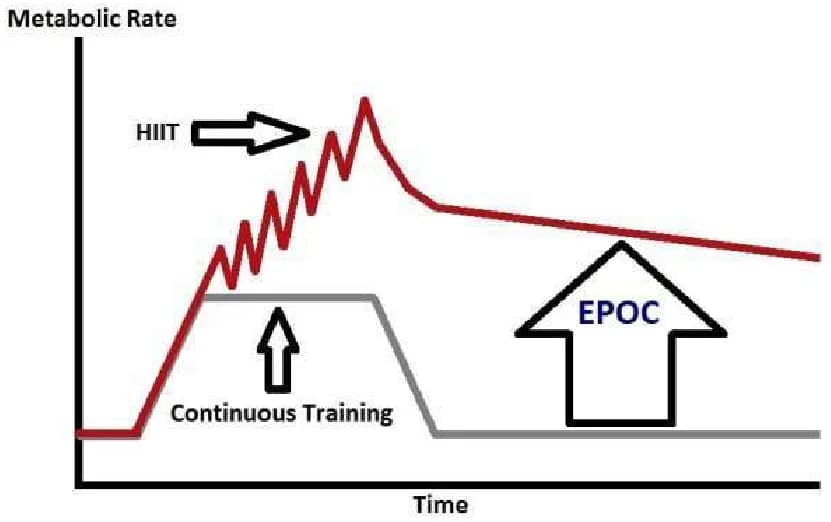
- Fat Burning & Weight Loss: Because of its intensity, HIIT is excellent for burning fat and calories quickly. The process of "afterburn," or Excess Post-Exercise Oxygen Consumption (EPOC), means your body continues to burn calories long after the workout ends.
- Improved Cardiovascular Health: HIIT exercises improve heart health by pushing your cardiovascular system to adapt to higher levels of exertion. This strengthens the heart muscles and improves circulation.
- Enhanced VO2 Max: VO2 max is the maximum oxygen your body can utilize during exercise. Regular HIIT sessions improve VO2 max more effectively than steady-state cardio, enhancing your body’s ability to use oxygen efficiently.
- Increased Metabolism: HIIT workouts stimulate the production of growth hormone and increase your metabolic rate. This keeps your metabolism elevated for hours after the workout.
- Variety & Enjoyment: With the ability to switch up exercises and intensity, HIIT avoids the monotony of continuous training.

Who is HIIT For?
HIIT is suitable for almost everyone, regardless of fitness level. The adaptability of high-intensity training allows both beginners and trained athletes to benefit.
- Beginners: For those new to exercise, intervals can start with lower intensity and shorter periods, allowing beginners to gradually build up.
- Athletes & Advanced Trainers: HIIT serves as an effective way to enhance endurance, speed, and overall athletic performance, helping trained individuals break through plateaus.
- Busy Individuals: With a 20-minute HIIT workout, you can achieve comparable benefits to a longer steady-state cardio session.
Evolutionary Perspective
HIIT taps into a natural movement pattern that aligns with how our ancestors moved. Human evolution has equipped us to perform activities in bursts of high intensity rather than steady-state exertion. Historically, activities like hunting, gathering, and fleeing from danger required rapid bursts of energy. This connection to our evolutionary past makes high-intensity workouts not only effective but also aligned with how the human body is designed to move.
HIIT vs Continuous Training
Exercise Enjoyment HIIT is characterized by bursts of high-intensity effort followed by recovery, making each session varied and more dynamic than Continuous Training (CT). This variability tends to reduce boredom. Studies have shown that the perceived enjoyment of HIIT is significantly higher than that of CT.
Weight Loss and Fat Burning Capacity HIIT is often praised for its superior fat-burning capabilities. Due to its intense bursts of activity, HIIT elevates calorie burn both during and after the workout (EPOC). It also improves the body’s capacity to burn fat effectively by increasing mitochondrial density within muscle cells.
Exercise Duration A typical HIIT session is shorter in duration compared to CT. Where CT might involve a 45-minute jog, a high-intensity workout can last 15-30 minutes and still deliver superior benefits. Research shows participants can achieve more than twice the fat loss in half the time.
Anaerobic Threshold & VO2 Max The anaerobic threshold is the point at which your body shifts from using oxygen to burn fuel to relying on anaerobic pathways. HIIT is particularly effective at improving this threshold by training your body to clear lactic acid. It also pushes the cardiovascular system to work at a much higher intensity, effectively improving VO2 Max.
Beta-Endorphin Levels & Athletic Performance HIIT releases beta-endorphins—the “feel-good” hormones—more significantly during high-intensity parts, creating a post-exercise "runner's high" much faster than CT. Furthermore, HIIT mimics the real-life demands of many sports (like soccer or tennis), enhancing both aerobic and anaerobic systems for overall athletic performance.
Implementing HIIT
The Required HIIT Intensity During the high-intensity segments, you should aim to reach around 90-100% of your Maximum Heart Rate (MHR). Calculating your MHR is simple: subtract your age from 220. The recovery phase should bring your heart rate down to around 50-65% of your MHR.
HIIT Frequency Beginners should start with 2-3 sessions per week to allow the body to adapt. Advanced participants can work up to 4-5 sessions. Unlike continuous training, HIIT demands more recovery for your muscles to repair and grow stronger.
HIIT Protocols
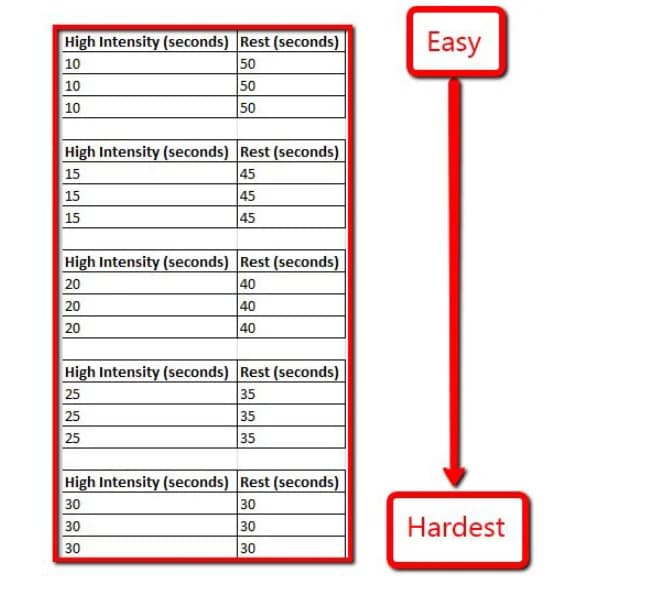
- Tabata Protocol: 20 seconds of high-intensity work followed by 10 seconds of rest, repeated for 4 minutes (8 rounds).
- The 30:30 Protocol: 30 seconds of maximum effort followed by 30 seconds of recovery.
- The 1:2 Ratio Protocol: 1 minute of high-intensity exercise followed by 2 minutes of active recovery (great for beginners).
HIIT Modes HIIT can be performed with sprinting, bodyweight exercises (jump squats, burpees), cycling, rowing, swimming, or strength-based movements using kettlebells and dumbbells.
HIIT Best Practices & Pitfalls
To maximize benefits, focus on the balance between intensity and recovery. Always listen to your body.
Nutrition: Carbohydrates are the primary fuel source for HIIT. Consume a small meal containing carbs and protein 1-2 hours before. Post-workout, a mix of protein and carbs helps repair muscles. Hydration is crucial due to significant fluid loss through sweating.
Common Pitfalls:
- Overtraining: Doing HIIT every day can lead to fatigue and injury. Aim for 2-3 sessions weekly.
- Ignoring Proper Form: Sacrificing technique for speed can lead to injuries. Prioritize form.
- Lack of Variation: Repeating the exact same routine leads to plateaus. Mix it up.
- Inadequate Warm-Up/Cool Down: Always prepare your body before going 100%, and allow your heart rate to return to normal afterward.
Sample HIIT Workouts
- Beginners: 20 seconds of high intensity (jumping jacks) + 40 seconds of rest. Repeat for 15-20 minutes.
- Intermediate: 30 seconds of burpees/mountain climbers + 30 seconds of active recovery. Repeat for 20-25 minutes.
- Advanced (Tabata): 20 seconds of max effort (sprints/box jumps) + 10 seconds of rest. 8 rounds per exercise.
Common HIIT Questions
Q: Is HIIT suitable for beginners? A: Yes! Beginners should start with shorter intervals, lower intensity, and longer recovery periods.
Q: How long should a HIIT session be? A: Typically 15 to 30 minutes, including warm-up and cool-down. Quality over quantity is key.
Q: What is EPOC, and why is it important in HIIT? A: Excess Post-exercise Oxygen Consumption is the "afterburn effect." Your body continues to burn calories at an elevated rate for hours as it recovers.
Q: Can I do HIIT at home without equipment? A: Absolutely! Bodyweight exercises like burpees, squats, and lunges are perfect for home HIIT.
Conclusion
High-Intensity Interval Training (HIIT) is a time-efficient and highly effective method for improving cardiovascular fitness, boosting metabolism, and burning fat. By leveraging short bursts of maximum effort and active recovery, it triggers the EPOC effect, enhances your VO2 max, and increases your anaerobic threshold.
Whether you’re aiming to lose weight, increase endurance, or improve overall fitness, HIIT offers a versatile, mentally engaging, and sustainable approach to exercise that fits into even the busiest of schedules. By understanding the science behind HIIT, you can tailor your workout to meet your personal fitness goals effectively.
Ready to try HIIT?
Join Elite Club today and let our expert trainers build the perfect HIIT program for your goals.